Tag: news

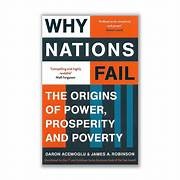
  • Lessons from ‘Why Nations Fail’: Building Strong Organizations

    Geopolitics is endlessly fascinating. Some countries have flourished for a long time, while others have faltered. Some have enjoyed periods of growth only to  later decline. Many have tried to explain these patterns through geography, history, culture, education, or access to resources.

    Economists Daron Acemoglu of MIT and James Robinson of Harvard explored these questions in depth in their landmark study Why Nations Fail, which earned them the Nobel Prize in Economics in 2024. Their findings challenge conventional wisdom: the prosperity of nations does not stem from geography, history, culture, or natural wealth. Instead, it is the quality of a country’s institutions that determines its long-term success.

    Prosperous nations are built on inclusive institutions—those that encourage broad participation, uphold the rule of law, distribute power fairly among political bodies, and enable economic freedom. These institutions create a foundation for innovation, accountability, and growth. Over time, they generate a virtuous cycle of progress.

    By contrast, nations with extractive institutions—which concentrate power, limit participation, and suppress individual potential—tend to stagnate or decline. Poor institutional design leads to poor decisions, and over time, this erodes progress.

    There is a powerful lesson here for leaders in any field. Just as nations rise or fall based on institutional strength, so too do organizations. A sound internal framework—values, policies, and processes (its “constitution”)—is essential. Each function must operate effectively within its defined charter. Healthy tensions, such as those between audit and HR, or between design and operations, are not only natural but necessary for achieving optimal outcomes.

    A strong leader must take a macro view—crafting the right institutional architecture, setting the tone, and then empowering each part of the organization to function at its best. Inclusive leadership, clear incentives, and distributed responsibility are at  the heart of sustained success.
  • The quiet leadership of Manmohan Singh

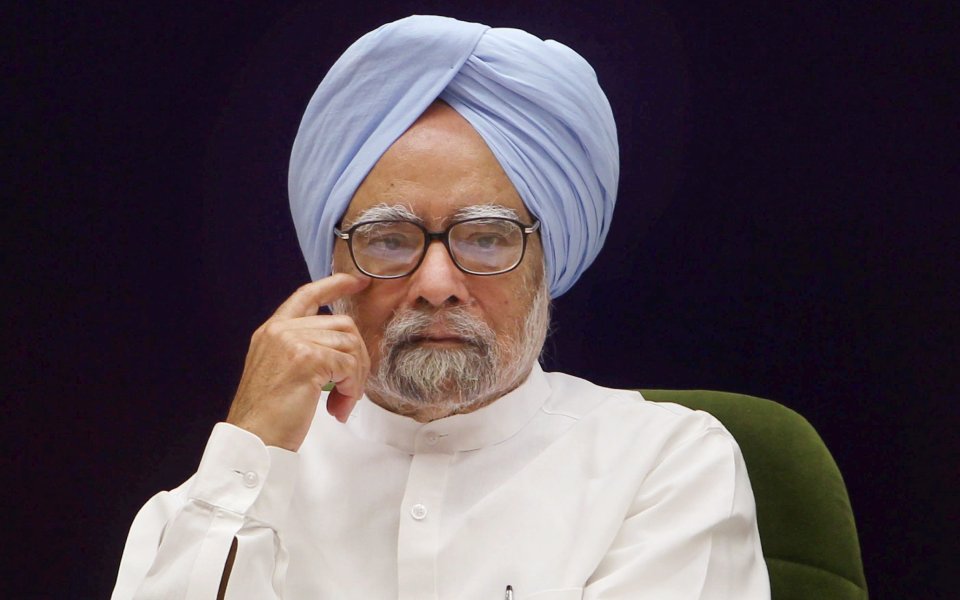
    Yesterday, Dr. Manmohan Singh, India’s Prime Minister from 2004 to 2014 and Finance Minister from 1991 to 1996, passed away at the age of 92. As Finance Minister, he spearheaded the economic reforms of 1991 that set India on a path of sustained growth, averaging over 6% for three decades and lifting millions out of poverty.

    Dr. Singh was a humble and unassuming leader. With degrees from Cambridge and Oxford, and a career that included pivotal roles in India’s economic policymaking, few could rival his credentials. Known for his wisdom, intellect, and brilliance, he was also admired for his integrity and pragmatism.

    Despite his virtues and extraordinary contributions, Dr. Singh often faced undue criticism and received less recognition than he deserved. This was partly due to his self-effacing nature. He rarely spoke about his achievements or defended himself against baseless attacks. In the combative realm of politics, where criticism from adversaries often amplifies perceived shortcomings, his silence limited his influence in the eyes of many.

    While he remains revered as an exceptional leader and visionary by those familiar with his work, a significant section of the populace has been less appreciative. As a leader, navigating the political and social landscape requires not only competence but also the ability to counter negativity and project strength when needed.

    Dr. Singh’s career underscores an important lesson: even in the pursuit of noble goals, leaders in the public arena must address the realities of perception and public discourse. While humility is a virtue, finding ways to neutralize unwarranted criticism is also very crucial. 

  • Society & leadership

    Corporate leaders often find themselves consumed by the immediate demands of their business environment—market share, growth, and stock performance. While these metrics are important and shape specific behaviors, they are often guided by historical norms and typically have limited impact on the broader external environment.

    However, times change. Markets evolve, priorities shift, and competition transforms. What once seemed like a benign pursuit of market share and valuations can sometimes result in harmful effects on society or the environment. In other cases, even without external changes, leaders may make decisions that inadvertently harm the communities they serve.

    This is where true leadership becomes critical. A responsible leader prioritizes societal well-being above organizational gains and places personal interests last. Such a leader is deeply sensitive to the interplay between corporate goals and their societal impact.

    True leadership means ensuring that human values and societal principles take precedence when they conflict with organizational objectives. It is about acting as a steward of societal balance and long-term interests rather than focusing solely on short-term corporate gains.

    When we witness events like environmental disasters like oil spillages caused by negligence or financial scandals such as Wall Street’s excesses, it becomes evident how detrimental poor leadership can be. These are examples of leaders chasing misguided priorities, or “false gods,” at the expense of society.

    Good leadership is about accountability, foresight, and the courage to make decisions that preserve society’s finest values above everything else.