Leaders have always been fascinating to study, and throughout history, people have sought to understand what makes them stand out. In the 19th century, disciplines such as psychology and sociology were still in their infancy, and the scientific method was not widely applied to social phenomena.
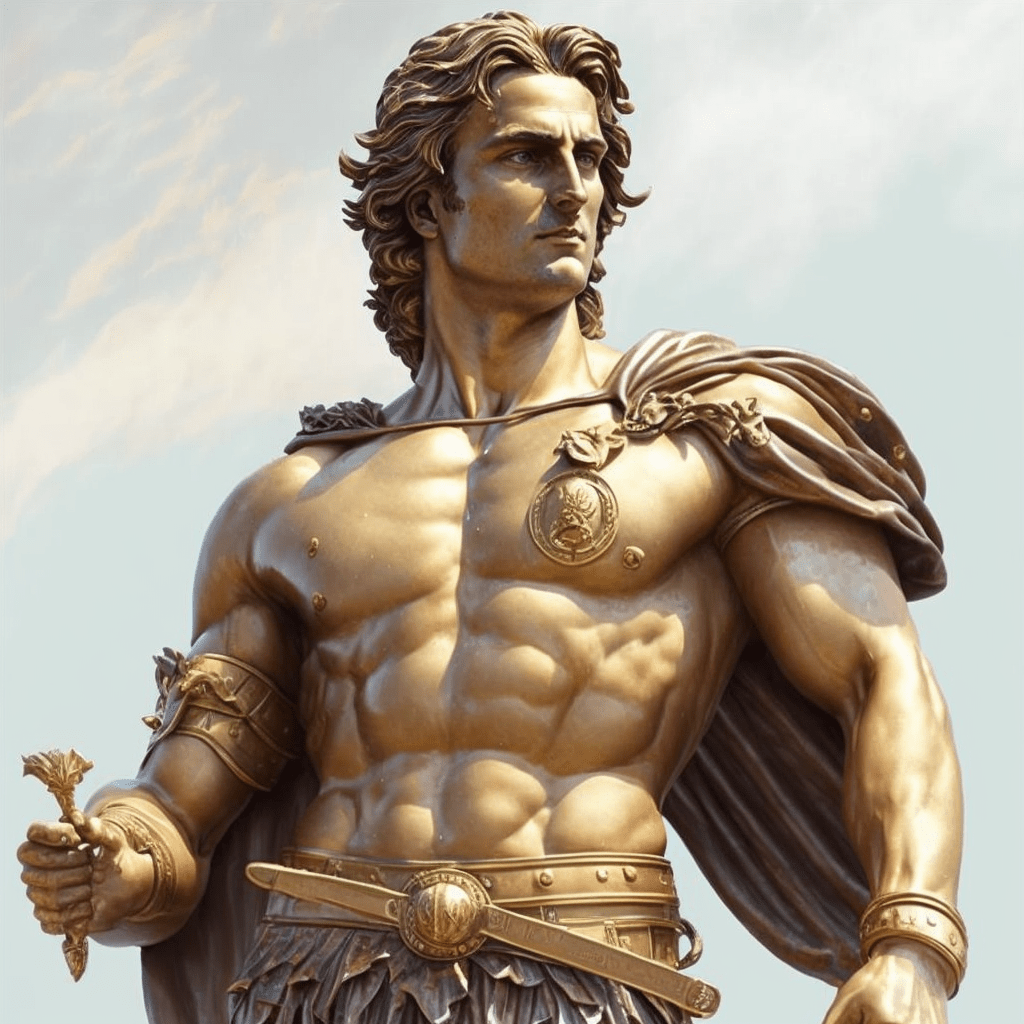
Thomas Carlyle, a prominent social philosopher of the 19th century, proposed the Great Man theory to explain leadership. According to this theory, some individuals are born with innate qualities that predestine them for exceptional achievements. These individuals, often men, were believed to be the driving force behind societal change. The theory suggests that leadership traits such as courage, wisdom, fairness, determination, and the ability to understand people and situations are biologically determined and inherent in certain men (excluding women).
At the time, society primarily revered military heroes and monarchs, most of whom either inherited their positions or rose to power from a small aristocratic elite. In an era marked by upheaval and debates over the role of the church and monarchy, people sought explanations for the social and political turmoil. Carlyle’s theory suggested that great men, endowed by God with specific traits, were destined to lead and guide society forward.
While influential in its time, the Great Man theory was later discredited for its overly simplistic and deterministic assumptions. Rightly so, as it overlooks the complex interplay of environment, circumstances, and personal development in shaping leaders.
Nevertheless, this theory continues to resonate at an intuitive level. Even today, when we try to understand leaders, we often mythologize them, attributing extraordinary abilities to their success. In truth, many leaders are individuals who have cultivated specific skills and happened to be a hap[py confluence of favorable circumstances that propels their rise to prominence.
 Lead Now
Leave a comment