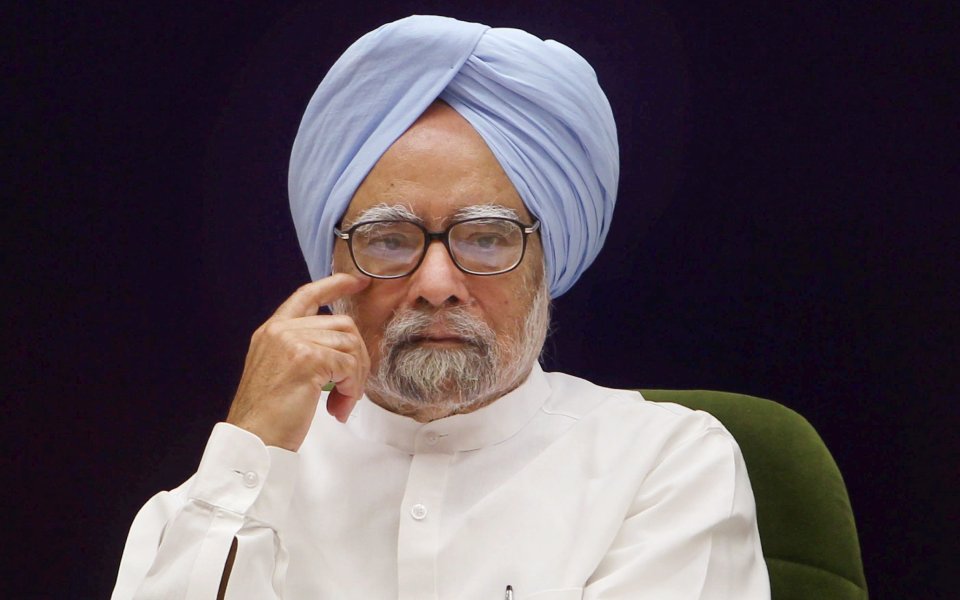
Yesterday, Dr. Manmohan Singh, India’s Prime Minister from 2004 to 2014 and Finance Minister from 1991 to 1996, passed away at the age of 92. As Finance Minister, he spearheaded the economic reforms of 1991 that set India on a path of sustained growth, averaging over 6% for three decades and lifting millions out of poverty.
Dr. Singh was a humble and unassuming leader. With degrees from Cambridge and Oxford, and a career that included pivotal roles in India’s economic policymaking, few could rival his credentials. Known for his wisdom, intellect, and brilliance, he was also admired for his integrity and pragmatism.
Despite his virtues and extraordinary contributions, Dr. Singh often faced undue criticism and received less recognition than he deserved. This was partly due to his self-effacing nature. He rarely spoke about his achievements or defended himself against baseless attacks. In the combative realm of politics, where criticism from adversaries often amplifies perceived shortcomings, his silence limited his influence in the eyes of many.
While he remains revered as an exceptional leader and visionary by those familiar with his work, a significant section of the populace has been less appreciative. As a leader, navigating the political and social landscape requires not only competence but also the ability to counter negativity and project strength when needed.
Dr. Singh’s career underscores an important lesson: even in the pursuit of noble goals, leaders in the public arena must address the realities of perception and public discourse. While humility is a virtue, finding ways to neutralize unwarranted criticism is also very crucial.
 Lead Now
Leave a comment